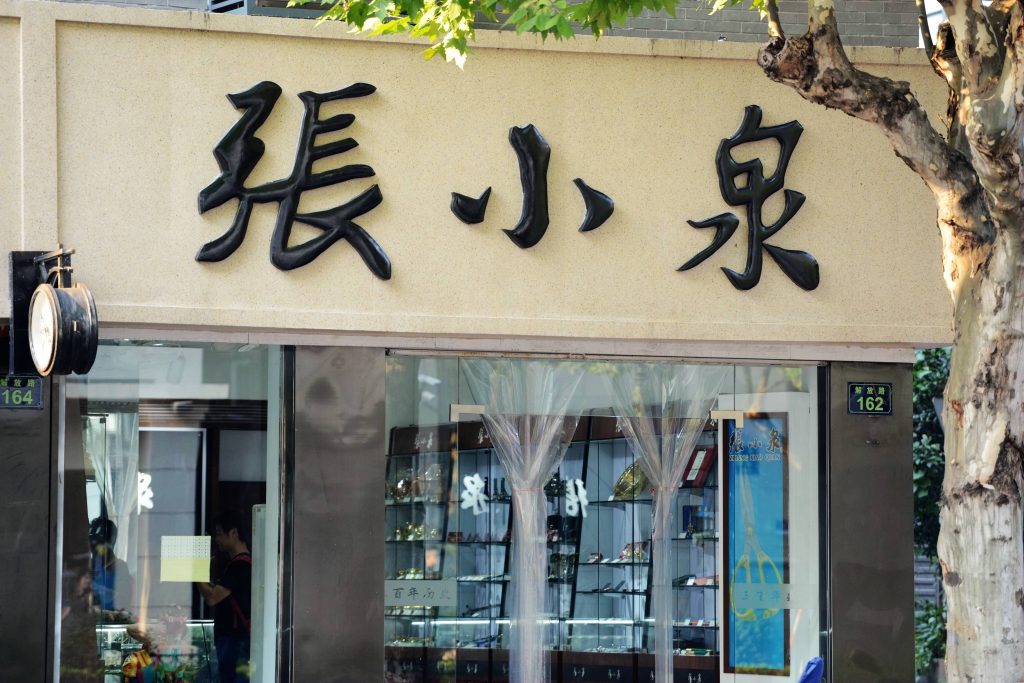
When sourcing kitchenware from China, the difference between a successful partnership and a costly mistake often comes down to knowing what to watch for. After decades of working with international buyers from our base in Hangzhou—China’s historic center of tool and kitchenware manufacturing—we’ve seen these same mistakes repeated countless times.
The good news? They’re all avoidable if you know what to look for.
Whether you’re a restaurant chain seeking professional kitchen tools, a retailer building a product line, or an importer expanding your catalog, understanding these common pitfalls can save you significant time, money, and headaches.
Mistake #1: Choosing Suppliers Based Only on Price
The Trap:
It’s tempting to go with the lowest quote, especially when you’re comparing multiple suppliers and the price differences seem substantial. After all, cost control is crucial for any business.
Why It Backfires:
The lowest price often signals:
- Lower quality materials — Inferior steel that dulls quickly or rusts
- Shortcuts in production — Skipped quality control steps, rushed manufacturing
- Hidden costs — Poor packaging leading to damage, or products that fail inspection
- Unreliable partners — Companies that disappear after receiving payment or can’t handle problems
The Real Cost:
A buyer once saved $2 per unit choosing the cheapest kitchen scissors supplier. Six months later, 30% of the shipment was returned due to loose rivets and misaligned blades. The replacement costs, customer complaints, and damaged reputation far exceeded what they “saved.”
What to Do Instead:
- Request samples before committing to large orders
- Ask about material specifications and manufacturing processes
- Check if the supplier has experience with your target market’s standards
- Consider total cost of ownership, not just unit price
- Look for suppliers willing to explain their pricing structure
Red Flag: If a quote is significantly lower than others and the supplier can’t clearly explain why, be cautious.
Mistake #2: Skipping the Factory Visit (Or Proper Due Diligence)
The Trap:
In today’s digital world, it’s easy to conduct entire business relationships via email, WeChat, or video calls. Why spend money on a factory visit when you can see photos and have video tours?
Why It Matters:
What you see remotely and what exists on the ground can be very different:
- Photos can be misleading — Stock images, borrowed factory photos, or carefully staged shots
- Scale matters — A “factory” might be a small workshop unable to handle your order volume
- Capabilities vary — Equipment shown might not be what they actually use for your product
- Quality systems — You can’t assess quality control processes through photos
Real Example:
An importer ordered 10,000 chef knives based on photos and samples. When visiting the factory after the first shipment had quality issues, they discovered the “production facility” was actually three small workshops coordinating through a middleman. Quality control was inconsistent across locations.
What to Do Instead:
If you can visit:
- Schedule factory tours before major commitments
- Bring someone who understands manufacturing (or hire a third-party inspection service)
- Check actual production capabilities, not just showroom displays
- Meet the team who will handle your account
- Observe quality control processes in action
If you can’t visit:
- Hire a reputable third-party inspection company
- Request detailed video documentation of facilities and processes
- Ask for references from customers in your market
- Start with smaller trial orders before scaling up
- Require regular quality inspection reports
Mistake #3: Accepting Samples Without Understanding Production Reality
The Trap:
The samples look perfect. Materials are high-quality, finish is flawless, everything works smoothly. You approve the sample and place your order, confident in what you’ll receive.
The Problem:
Sample production and mass production are often very different:
- Samples get extra attention — Hand-selected materials, careful assembly, multiple quality checks
- Mass production introduces variables — Different workers, time pressure, material batch variations
- Specifications can drift — Small changes accumulate without proper controls
What Happens:
Your production run arrives and the quality doesn’t match the sample. Handles feel different, blade sharpness varies, finish isn’t as smooth. The supplier insists they followed the sample, but somewhere between sample approval and mass production, quality slipped.
What to Do Instead:
During sampling:
- Request multiple samples, not just one perfect piece
- Ask samples to be made using mass production methods, not hand-crafted
- Specify that approved sample becomes the binding quality standard
- Document everything — measurements, materials, finish quality, photos
Before production:
- Request a “golden sample” that will be used as the reference standard
- Specify tolerance ranges for all critical measurements
- Establish clear acceptance criteria in writing
- Discuss how variations will be handled
During production:
- Require pre-production samples from the actual production run
- Conduct in-process inspections, not just final inspection
- Have a clear process for addressing any deviations from approved samples
Mistake #4: Inadequate Quality Control and Inspection
The Trap:
You trust your supplier to maintain quality. After all, it’s in their interest to deliver good products, right? You might request a final inspection report, but you don’t verify it independently.
Why It’s Risky:
Supplier self-inspection has inherent conflicts of interest:
- Pressure to ship — Deadlines can override quality concerns
- Different standards — What they consider acceptable might not meet your requirements
- Limited visibility — You only see what they choose to show you
- Problem discovery delays — Issues only surface after shipping, when fixing them is expensive
The Reality:
Quality issues caught at the factory cost significantly less to fix than problems discovered after shipping. Yet many buyers only inspect after products arrive—when it’s too late for cost-effective solutions.
What to Do Instead:
Implement staged inspection:
Pre-production inspection:
- Verify raw materials match specifications
- Check that production setup matches approved samples
- Confirm the factory understands your requirements
During production inspection (DUPRO):
- Check quality while 20-50% of production is complete
- Catch and correct problems before the full order is affected
- Verify production processes match agreements
Pre-shipment inspection (PSI):
- Inspect finished goods before shipping
- Check random samples from the full production run
- Verify packaging, labeling, quantity
- Test product functionality and quality
Consider third-party inspection:
- Hire independent inspection companies
- They have no stake in approving shipments
- Professional inspectors know what to look for
- Detailed reports with photos and measurements
- Cost is minimal compared to receiving defective shipments
Mistake #5: Poor Communication and Unclear Specifications
The Trap:
You assume your requirements are clear. You sent product specifications, discussed details via email, and the supplier said they understood. No need to over-communicate, right?
What Goes Wrong:
Lost in translation:
- Language barriers cause misunderstandings
- Technical terms may have different meanings
- Implied expectations aren’t explicitly stated
- Cultural differences in communication styles
Specification gaps:
- What seems obvious to you isn’t obvious to the manufacturer
- Details you thought were standard need to be specified
- Acceptable quality levels differ across markets
Real Example:
A buyer specified “stainless steel kitchen scissors.” They assumed 3CR13 or better, which is standard for kitchenware in their market. The supplier used 2CR13—technically stainless steel, but lower quality and prone to rust. Both parties thought they were clear, but assumptions led to problems.
What to Do Instead:
Be explicit about everything:
Materials:
- Specific steel grades (e.g., “3CR13 stainless steel, minimum”)
- Surface finish requirements
- Material certifications needed (FDA, LFGB, etc.)
Dimensions:
- Exact measurements with tolerance ranges
- Critical dimensions clearly marked
- Reference to international standards if applicable
Quality standards:
- Acceptable defect rates (e.g., “No more than 1% minor defects”)
- Define what constitutes a minor vs. major defect
- Functional performance requirements (e.g., “Scissors must cut through X material cleanly”)
Packaging and labeling:
- Packaging materials and methods
- Label content, placement, and language
- Barcode requirements
- Inner and outer packaging specifications
Create detailed technical documentation:
- Technical drawings with measurements
- Photos of acceptable quality (and unacceptable examples)
- Written specifications that leave no room for interpretation
- Sample approval forms with signatures
Establish communication protocols:
- Regular update schedule
- Clear points of contact
- Process for handling changes or questions
- Documentation requirements for all decisions
Use purchase orders that specify:
- Exact product specifications
- Quality standards
- Inspection requirements
- Delivery terms
- Consequences for non-compliance
The Common Thread: Knowledge and Diligence
Notice what all these mistakes have in common? They stem from either lack of knowledge about sourcing processes or taking shortcuts to save time or money upfront.
Successful sourcing from China isn’t about finding the cheapest supplier or the fastest production. It’s about:
- Understanding what you’re buying — Materials, construction, quality indicators
- Knowing how to verify quality — Inspection processes, testing methods
- Establishing clear expectations — Detailed specifications, documented standards
- Building relationships — Long-term partnerships with reliable suppliers
- Investing in the process — Proper due diligence, quality control, communication
Why Hangzhou-Based Partners Can Help
Working with suppliers who have deep roots in China’s manufacturing regions offers advantages beyond just production capabilities.
In Hangzhou, where tool and kitchenware manufacturing has been refined over centuries, you’re more likely to find:
Established quality standards: Generations of experience have created embedded knowledge about materials, processes, and quality indicators that newer manufacturing regions haven’t developed.
Specialized expertise: Concentrated industry clusters mean suppliers have access to specialized workshops, experienced craftsmen, and refined production techniques specific to cutting tools and kitchenware.
Quality consciousness: In regions with long manufacturing traditions, reputation matters. Businesses that have operated for decades understand the importance of maintaining quality standards.
International experience: Established manufacturing centers have extensive experience serving international markets and understand the requirements of EU, US, and other demanding markets.
Moving Forward: Building Successful Partnerships
Avoiding these five mistakes won’t guarantee perfect results—manufacturing always involves some challenges. But understanding these common pitfalls significantly increases your chances of building successful, long-term sourcing relationships.
Key takeaways:
- Look beyond price — Consider total value, not just unit cost
- Verify before trusting — Factory visits or independent inspections
- Control the sample process — Make samples representative of production
- Implement proper QC — Independent, staged inspections
- Communicate explicitly — Detailed specs, clear expectations, documented agreements
Starting your sourcing journey or looking to improve existing supplier relationships?
The difference between costly mistakes and successful partnerships often comes down to working with knowledgeable partners who understand both manufacturing realities and international buyer expectations.
Ready to Source with Confidence?
Whether you’re new to sourcing from China or looking to improve your existing supply chain, understanding these pitfalls is the first step toward better results.
Contact us to discuss your sourcing needs:
- Email: amy.chen@zhangtools.com
- WhatsApp: +852 93733314
With decades of experience connecting international buyers with quality manufacturers in Hangzhou, we help you navigate the sourcing process and avoid these common—but costly—mistakes.